Water Heater Life Expectancy: How to Know When It's Time for a New One
Wondering how long a water heater lasts? Learn the average life expectancy of a water heater, warning signs to watch for, and how to know when it’s time to repair or replace it.
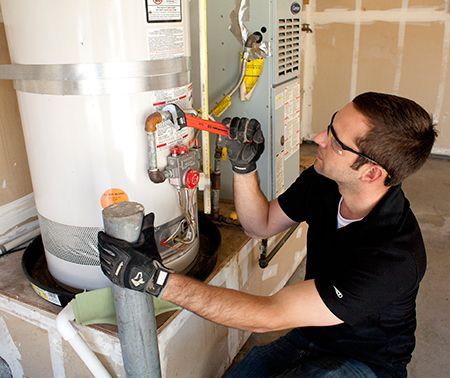
Your water heater does one of the most thankless jobs in your home. It runs quietly in the background every single day — morning showers, dishes after dinner, laundry on Sunday — and most people never think about it until something goes wrong.
That is actually fine. You should not have to think about your water heater. But when it starts giving you signals, it is worth paying attention. Because the difference between catching a problem early and ignoring it until failure can mean the difference between a planned decision and a stressful emergency.
So here is what you actually need to know — no unnecessary jargon, no pressure — just a straight answer to a question most homeowners eventually ask:
how long does a water heater last, and how do I know when mine is done?
How long does a Water heater last?
For most homes, the average lifespan of a water heater is 8 to 12 years for a traditional tank unit. Tankless water heaters tend to go longer — often 15 to 20 years — because they only fire up when you actually need hot water, which reduces the daily wear.
Those ranges are a helpful starting point, but they are not the whole story. The real question is not just how old your water heater is. It is how well it is holding up at its current age. A 9-year-old unit that has been well maintained and has clean water running through it may be perfectly fine. A 7-year-old unit that has been neglected in a hard water area may already be struggling.
Age matters. But context matters more.
What Affects the Lifespan of a Water Heater?
A few things can shorten or extend how long your unit lasts:
Water quality. Central Illinois has moderately hard water, which means mineral deposits can build up inside the tank over time. That buildup makes the system work harder than it should — and harder means faster wear.
How much hot water your household uses. A family of five puts a lot more demand on a water heater than a couple. More demand means more cycles, more heat, more wear.
Installation quality. A unit that was properly sized and correctly installed from the start is going to perform better and last longer than one that was thrown in as an afterthought.
Maintenance history. Annual flushing and anode rod replacement can add meaningful years to a water heater's life. Most people skip this. It shows.
When you understand these factors, it starts to make sense why one neighbor's water heater lasts 14 years and another's gives out at 8. It is not random — there are real reasons behind it.
7 signs your water heater may need to be replaced
Knowing when to change a water heater is not always obvious. The signs often start small. But if you know what you are looking for, you can usually catch something before it turns into a much bigger problem.
1. You are running out of hot water faster than you used to.
A system that used to handle morning showers without breaking a sweat should not suddenly start falling short. If it is, something has changed —and it is worth finding out what.
2. The water is not getting as hot as it should.
Lukewarm water, inconsistent temperatures, or longer wait times are all worth paying attention to. Sometimes this is a repair. Sometimes it is a sign the unit is winding down.
3. You are hearing noises you did not used to hear.
Popping, rumbling, or banging coming from your water heater is usually sediment buildup at the bottom of the tank. It makes the unit less efficient and puts extra stress on it every time it fires.
4. Your hot water looks rusty or discolored.
This one is not subtle. If the hot water coming out of your faucets has a brownish tint or smells off, the inside of your tank may be corroding. Corrosion does not get better on its own.
5. There is water around the base of the unit.
Even a small amount of moisture near your water heater deserves attention. A leaking fitting or valve can sometimes be repaired. A tank that is leaking is almost always a replacement conversation.
6. You are calling for repairs more than once.
One repair is normal. Repeated repairs on the same unit — especially an older one — is usually a sign you are spending money to delay the inevitable. At some point, replacement is just the smarter math.
7. The unit is older and less reliable.
Sometimes the biggest sign is the simplest one. If your water heater is aging, showing multiple warning signs, and you find yourself wondering how much longer it has left — that instinct is probably telling you something worth listening to
When to Change a Water Heater Before It Fails Completely
It is completely understandable to want to get every last year out of a water heater. But waiting until it fails entirely can take a manageable situation and turn it into a stressful one fast.
When a water heater fails unexpectedly, you are not just dealing with cold water. You may be dealing with a leak, potential water damage, and the pressure of needing a decision made quickly. That is not a good position to make a thoughtful choice from.
Replacing a water heater before it reaches that point gives you something valuable: time. Time to plan, time to budget, and time to make the decision that is actually right for your home — not just the fastest one available.
If your unit is in the 10-plus year range and starting to show warning signs, it may be worth having a conversation before it forces one on you.
How to Find the Age of Your Water Heater
The manufacturer's label on the side of your unit is your best starting point. Sometimes the manufacture date is printed right on it. Other times, the serial number is what you need to figure out when it was made — and different manufacturers encode dates differently, so it is not always obvious.
If you are not sure how to read it, that is fine. Give us a call and we can help you figure it out.
Knowing the age of your unit gives you helpful context when you are trying to decide what to do next. An 8-year-old water heater with one small issue is a very different conversation than a 13-year-old one showing multiple warning signs.
Common Questions About Water Heater Life Expectancy
What is the average life expectancy of a water heater? For a traditional tank water heater, the average is 8 to 12 years. Tankless units tend to last longer — often 15 to 20 years with proper maintenance.
How long should a water heater last in a family home? Family size and daily usage both play a role. A household that uses a lot of hot water puts more demand on the system, which can shorten its lifespan compared to a smaller household. Regular maintenance makes a real difference too.
Should I replace a 10-year-old water heater? Not automatically — but a 10-year-old unit is in the range where replacement becomes a realistic conversation, especially if it is starting to show warning signs. It is worth having someone take a look so you are not caught off guard.
Can a water heater last 15 years? Yes, it can — especially with good maintenance and favorable water conditions. But once a unit gets into that age range, reliability becomes a bigger concern. Getting a professional opinion is usually worth the peace of mind.
How do I know when it is time for a new one? Hot water running out faster, inconsistent temperatures, unusual noises, discolored water, moisture near the unit — any of these signs are worth taking seriously. If you are seeing more than one, it is time to have a conversation.
Is it better to repair or replace an older water heater? It depends on the age, the type of issue, and the condition of the tank. A smaller probleon a younger unit is often worth fixing. Repeated repairs on an older unit usually point toward replacement being the smarter move.
Not Sure Where Your Water Heater Stands? Let's Talk.
You should not have to guess about something as important as the hot water in your home.
If your water heater is aging, making noises, or you just want to know what you are actually dealing with, we are happy to take a look. We will tell you honestly what we see — whether that is good news, a simple repair, or a conversation about replacement.
No pressure. No guesswork. Just a straight answer from people who genuinely care about doing right by the homeowners they work for.
That is what peace of mind actually looks like.
Peace of Mind Plumbing Serving Champaign, Mahomet, and Central Illinois 📞 (217) 282-5972 plumbing.peaceofmind@gmail.com plumbingpeaceofmind.net